The New Landscape of Political Information
Political engagement has changed dramatically online. Nearly three-quarters of voters under 35 now get their political news primarily from social media platforms. This is a complete break from how older generations consume news, and it’s changing democratic discourse in ways we’re still figuring out.

Moving political information online creates real benefits and serious problems. Younger voters can access more diverse perspectives and get information in real time. But they also navigate increasingly fragmented information bubbles where algorithms decide what counts as reality. The Brennan Center democracy research shows how this shift affects everything from voter turnout patterns to how people form policy preferences.
Traditional gatekeeping mechanisms that once filtered political information have mostly disappeared. Social media algorithms care about engagement, not accuracy. This creates an environment where compelling narratives often beat factual reporting. The result? Citizens consume political information differently, and political actors craft their messages accordingly.
Grassroots Mobilization in the Messaging Age
Private messaging platforms have become powerful tools for local political organizing. WhatsApp and Telegram groups are now the backbone of political movements worldwide, from neighborhood organizing in American suburbs to protest coordination in authoritarian states.
These platforms have clear advantages for political organizers. Group messaging allows rapid information sharing while maintaining privacy that public social media posts can’t provide. Local political movements can coordinate activities, share resources, and build community bonds through ongoing digital interaction that supports in-person organizing.
But decentralized messaging creates problems too. Grassroots activists get powerful coordination tools, but the same platforms spread misinformation and conspiracy theories within closed networks where fact-checking is nearly impossible. It’s a double-edged sword that cuts both ways.
The Algorithmic Amplification Problem
Content moderation research shows a consistent pattern across major social media platforms. Algorithms systematically amplify outrage-inducing content over measured discussion. This design feature was meant to maximize user engagement, but it’s created serious problems for political discourse.
Inflammatory political content gets higher algorithmic priority than policy discussions or fact-based reporting. Politicians and commentators who master emotional responses gain huge reach, while those presenting complex issues in balanced terms struggle to build audiences. This rewards increasingly polarized rhetoric across the political spectrum.
Platform companies have tried to address these issues through algorithm adjustments and content labeling systems. But the core tension between engagement-driven business models and healthy democratic discourse remains unresolved. We’re left with a digital environment that often rewards political actors who excel at generating controversy rather than building consensus.
Foreign Interference in Digital Spaces
State-sponsored influence operations have become a regular feature of major elections. Foreign actors run active disinformation campaigns across X, Facebook, and TikTok, targeting voters in democratic countries before significant elections through increasingly sophisticated manipulation techniques.
These operations use multiple tactics at once. Coordinated fake accounts amplify divisive content, while deepfake technology creates convincing but fabricated audio and video content. Micro-targeting lets foreign actors tailor disinformation campaigns to specific demographic groups or regions with unprecedented precision.
Detection and response efforts have improved significantly since 2016. Platforms now invest heavily in threat intelligence and automated detection systems. But foreign influence operations keep evolving, adopting new techniques and exploiting emerging platforms. Democracy Now and other independent media organizations regularly document these ongoing threats to electoral integrity.
Campaign Technology and Democratic Access
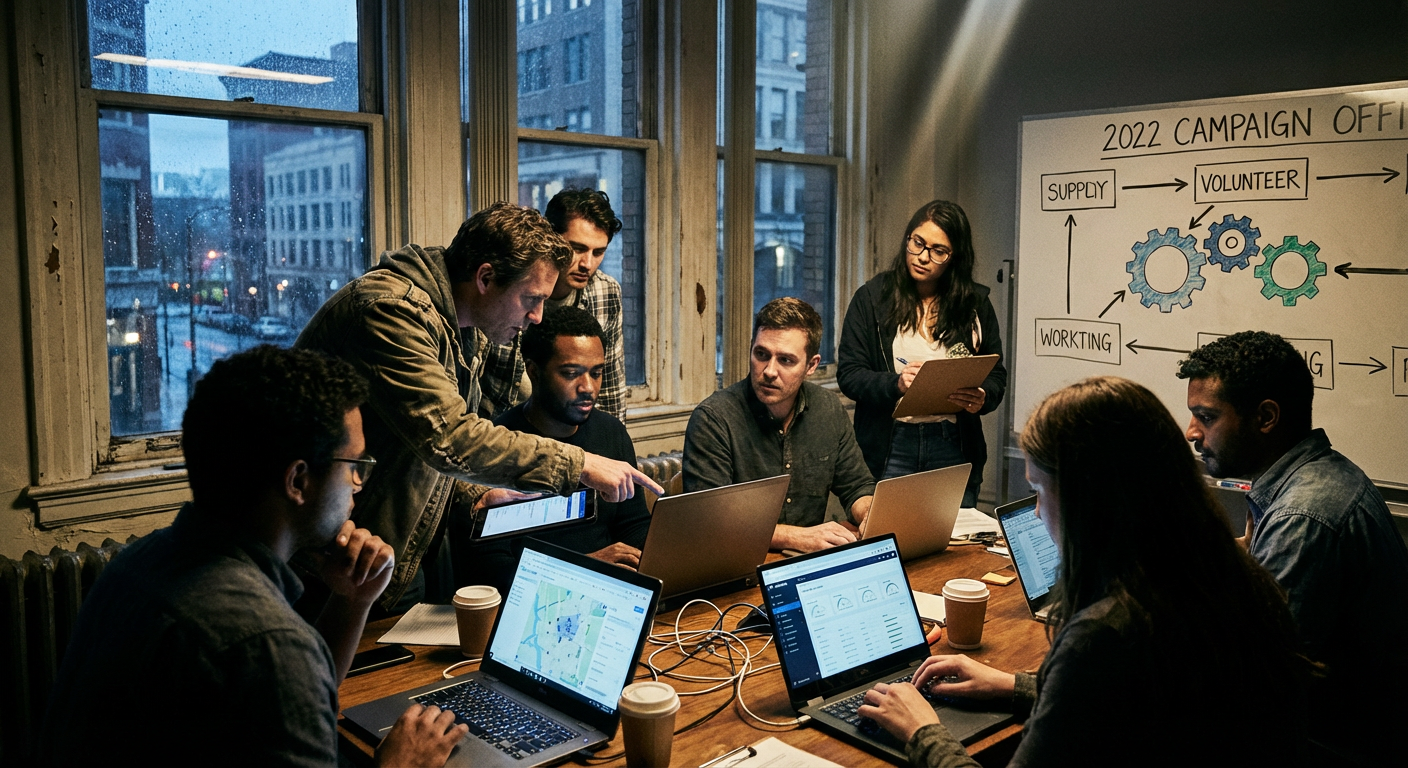
Open-source campaigning tools have democratized political technology, making sophisticated voter contact and canvassing capabilities available to candidates and organizations regardless of budget size. Digital organizing platforms now offer features that were once exclusive to well-funded national campaigns, including voter database management, volunteer coordination, and automated communication systems.
This technological shift has reduced some traditional barriers to political participation. Grassroots candidates can now access many of the same digital tools used by established politicians. Volunteer organizers can coordinate activities with professional-grade efficiency. Small-scale political movements can punch above their weight through smart use of available technology.
At the same time, digital fundraising platforms have transformed campaign finance by enabling micro-donation strategies that bypass traditional donor networks. Candidates can now build substantial war chests through small-dollar contributions, reducing dependence on major donors and special interest groups. However, this shift also creates new dependencies on platform algorithms and digital marketing expertise that may favor tech-savvy campaigns over those with strong grassroots support but limited digital capabilities.
Digital democracy represents both the greatest opportunity and the most serious threat to democratic governance in generations. As these technologies keep evolving, we’ll need sustained analysis and adaptive responses to preserve democratic institutions while harnessing the positive potential of digital political engagement.
